What Is EFT (Tapping)?

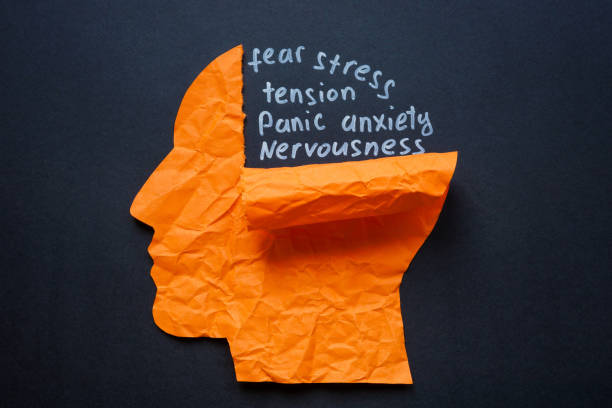
If you are experiencing anxiety about something, such as a phobia, an upcoming event, or something traumatic, EFT (tapping) might be the reset button your nervous system needs. This simple technique will calm your body’s stress response. No pills, no gadgets.
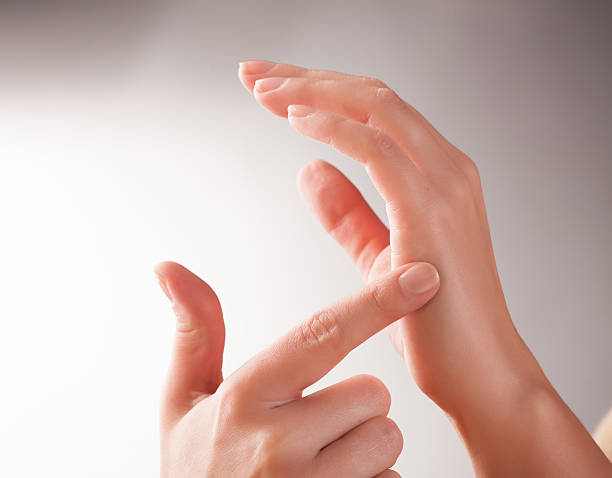
There are many websites that explain the basics of Emotional Freedom Technique (EFT), commonly known as tapping, so I’ll keep this part brief. EFT involves gently tapping on the same meridian points used in acupuncture while focusing on a specific physical or emotional issue. The concept is simple: energy can be shifted just as effectively through tapping as it can through needles. Numerous scientific studies support EFT’s effectiveness, particularly for anxiety, phobias, and PTSD.  

How I Discovered EFT

I had heard about EFT for years, but it wasn’t until I attended several live sessions on the meditation app Insight Timer—with teachers Andrew Johnson and Ruthi Cohen Joyner—that I became genuinely interested in this surprisingly simple technique. At the time, I had suffered from chronic headaches for more than 20 years. In one short session, my pain noticeably decreased. I was stunned. How could something as simple as tapping on my face, collarbone, and hand reduce pain I’d lived with for decades?

How EFT Works

The premise of EFT is that to release the emotional charge behind physical or emotional pain, we must first acknowledge it. We intentionally bring the issue to mind, then tap on specific energy meridians to clear blockages. After a few rounds, we reassess the intensity of the pain or emotion. A successful session results in a measurable decrease.  

The placebo effect? I don’t think so. Here’s why.

The placebo effect is powerful. People given sugar pills often experience real healing, and belief alone can strongly influence outcomes. The mind is an extraordinary instrument. But when I tuned into my first EFT session, I fully expected it not to work. I remember thinking, This is ridiculous. Why am I even doing this? And yet, something remarkable happened.

My first EFT session

EFT begins with a setup phrase: “Even though I have (name the issue), I deeply and completely love and accept myself.” This is repeated three times while tapping on the side of the hand below the pinkie (the “karate chop point”). From there, you continue naming the issue while tapping on points on the face, collarbone, under the arm, top of the head, and fingers. (Here is a video of a simple tapping session.) Before tapping, you rate your pain or anxiety on a scale from 0 to 10. I rated my headache a 5. After three brief rounds, my pain dropped to a 3. That reaction, I later learned, is common. EFT is so simple it feels like it shouldn’t work.

My EFT session

Encouraged by the results, I began researching EFT and learned how effective it can be for anxiety. Before an oral surgery procedure, I sat in my car tapping on phrases like “this anxiety” and “nervousness about this procedure.” Anyone watching probably thought I was nuts, but I didn’t care. I went through a complicated two-hour procedure without a trace of anxiety. Once again, I was amazed.

Getting certified in EFT

As a skeptic-turned-believer, I decided to take the next step and become certified in EFT—not to teach, but simply to learn more. I am now a Level-1 certified EFT practitioner. I’ll be sharing more blogs about EFT soon, including how it compares to other healing modalities.
 

What Is EFT Tapping?

There are many websites that explain the basics of Emotional Freedom Technique (EFT), so instead, we’ll explore the nuances of EFT, how it compares to other healing modalities, and the impact it has had on my life. 

How I Discovered EFT

I had heard about EFT for years, but it wasn’t until I attended several live sessions on the meditation app Insight Timer—with teachers Andrew Johnson and Ruthi Cohen Joyner—that I became genuinely interested in this surprisingly simple technique. At the time, I had suffered from chronic headaches for more than 20 years. In one short session, my pain noticeably decreased. I was stunned. How could something as simple as tapping on my face, collarbone, and hand reduce pain I’d lived with for decades?

How EFT Works

The premise of EFT is that to release the emotional charge behind physical or emotional pain, we must first acknowledge it. We intentionally bring the issue to mind, then tap on specific energy meridians to clear blockages. After a few rounds, we reassess the intensity of the pain or emotion. A successful session results in a measurable decrease.

The placebo effect? I don’t think so. Here’s why.

The placebo effect is powerful. People given sugar pills often experience real healing, and belief alone can strongly influence outcomes. The mind is an extraordinary instrument.

But when I tuned into my first EFT session, I fully expected it not to work. I remember thinking, This is ridiculous. Why am I even doing this? And yet, something remarkable happened.

My first EFT session

EFT begins with a setup phrase: “Even though I have (name the issue), I deeply and completely love and accept myself.” This is repeated three times while tapping on the side of the hand below the pinkie (the “karate chop point”). From there, you continue naming the issue while tapping on points on the face, collarbone, under the arm, top of the head, and fingers. (Here is a video of a simple tapping session.)

Before tapping, you rate your pain or anxiety on a scale from 0 to 10. I rated my headache a 5. After three brief rounds, my pain dropped to a 3. That reaction, I later learned, is common. EFT is so simple it feels like it shouldn’t work.

My Second EFT session

Encouraged by the results, I began researching EFT and learned how effective it can be for anxiety. Before an oral surgery procedure, I sat in my car tapping on phrases like “this anxiety” and “nervousness about this procedure.” Anyone watching probably thought I was nuts, but I didn’t care. I went through a complicated two-hour procedure without a trace of anxiety. Once again, I was amazed.

Getting certified in EFT

As a skeptic-turned-believer, I decided to take the next step and become certified in EFT—not to teach, but simply to learn more. I am now a Level-1 certified EFT practitioner.

I’ll be sharing more blogs about EFT soon, including how it compares to other healing modalities.


Leave a Reply

Your email address will not be published. Required fields are marked *